Events
Assessing Student Learning
Facilitated by Mary Ann Tobin, Associate Research Professor and Alia Shalaby, Graduate Instructional Consultant
Tuesday, 10/7/2025, 10:35 a.m. - 11:50 a.m.
Via Zoom
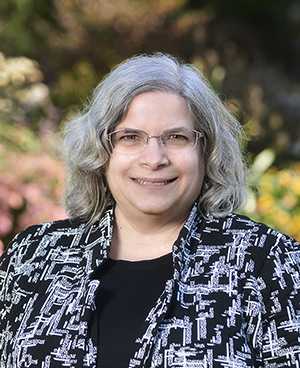
In this interactive workshop, participants will explore multiple uses of assessment -- both as a tool to promote learning and a tool to determine how much learning has occurred.
Registrants will receive a Zoom link at least 45 minutes before the workshop begins.
Penn State encourages persons with disabilities to participate in its programs and activities. If you anticipate needing any type of accommodation or have questions about the access provided, please contact the Schreyer Institute for Teaching Excellence at SITE@psu.edu or call 814-863-2599 at least 2 weeks prior to the start of the program to allow sufficient time to effectively meet your access needs.
How CIRTL Can Benefit Grad Students and Postdocs
Facilitated by Chas Brua, Associate Research Professor
Monday, 10/13/2025, 12:00 p.m. - 12:30 pm
Via Zoom
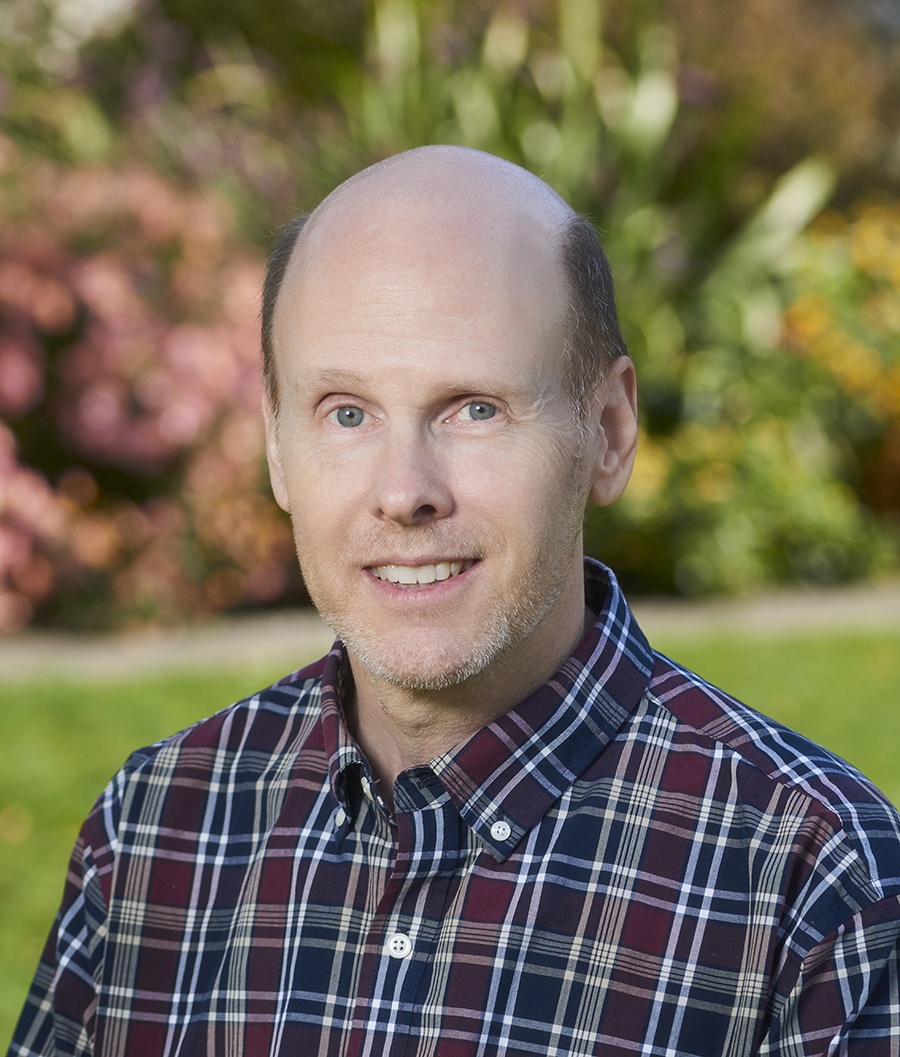
Penn State is part of the international CIRTL Network, which focuses on preparing the next generation of faculty to teach effectively. Join us for this brief overview of how CIRTL programming—both at Penn State and through the 45-university network—can help grad students and postdocs to 1) strengthen their teaching skills and 2) document their professional development through CIRTL certification.
Registrants will receive a Zoom link at least 45 minutes before the presentation begins.
Penn State encourages persons with disabilities to participate in its programs and activities. If you anticipate needing any type of accommodation or have questions about the access provided, please contact the Schreyer Institute for Teaching Excellence at SITE@psu.edu or call 814-863-2599 at least 2 weeks prior to the start of the program to allow sufficient time to effectively meet your access needs.